SignGemma Google's AI Bridge for the Deaf Community

Written by
admin
Get the oars in the water and start rowing. Execution is the single biggest factor in achievement so the faster and better your execution.
SignGemma Google's AI Bridge for the Deaf Community
admin
Have you ever watched someone communicate using graceful hand movements,
vivid facial expressions, and powerful body language? That’s sign
language – the native tongue for 70 million deaf people worldwide. But
here’s the problem: most technology speaks only text or audio.
At Google’s 2025 I/O conference, engineers unveiled SignGemma – an AI
breakthrough designed to close this communication gap once and for all.
Imagine pointing your phone at someone signing, and seeing their words
appear instantly as English text. That’s SignGemma’s promise
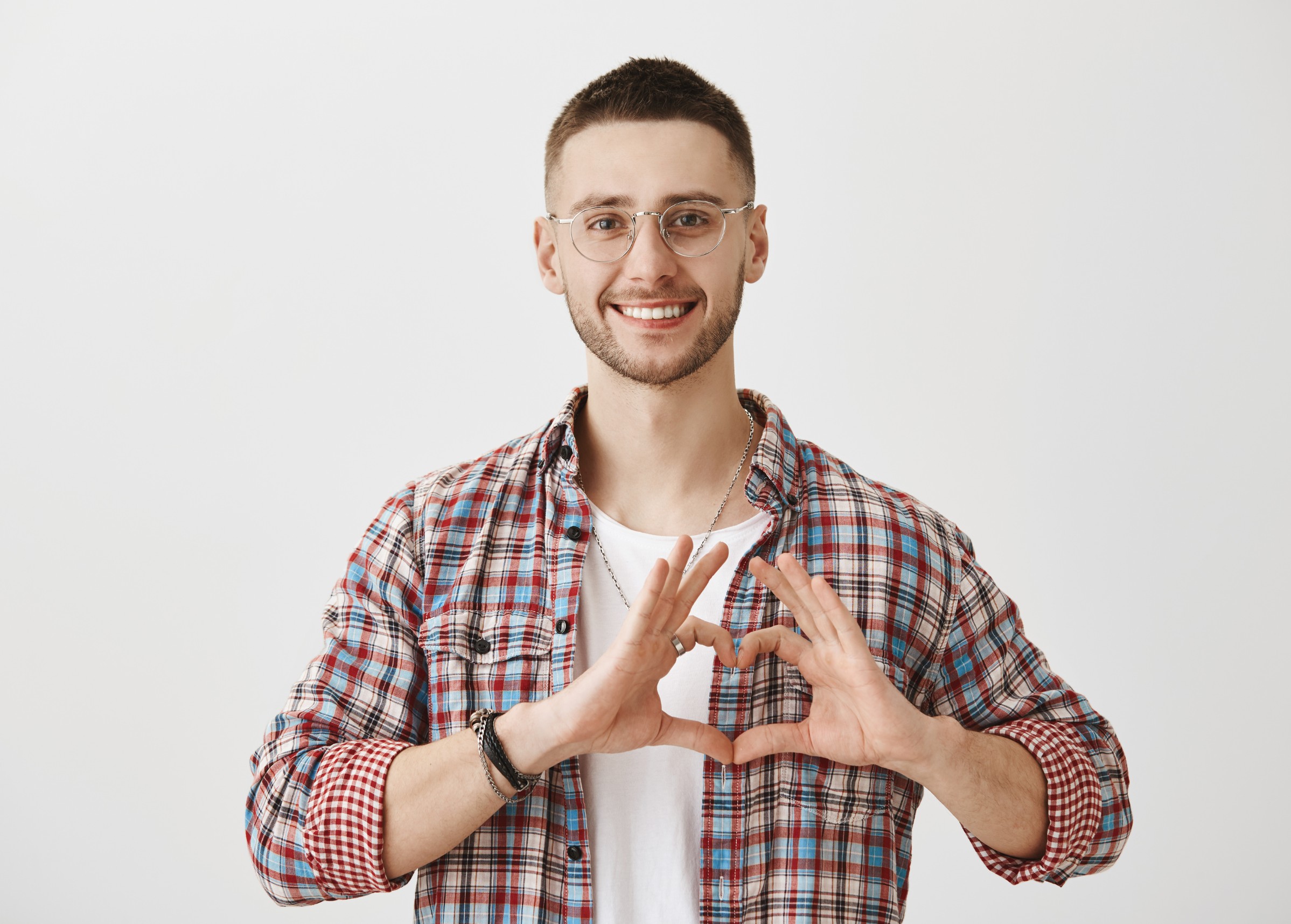
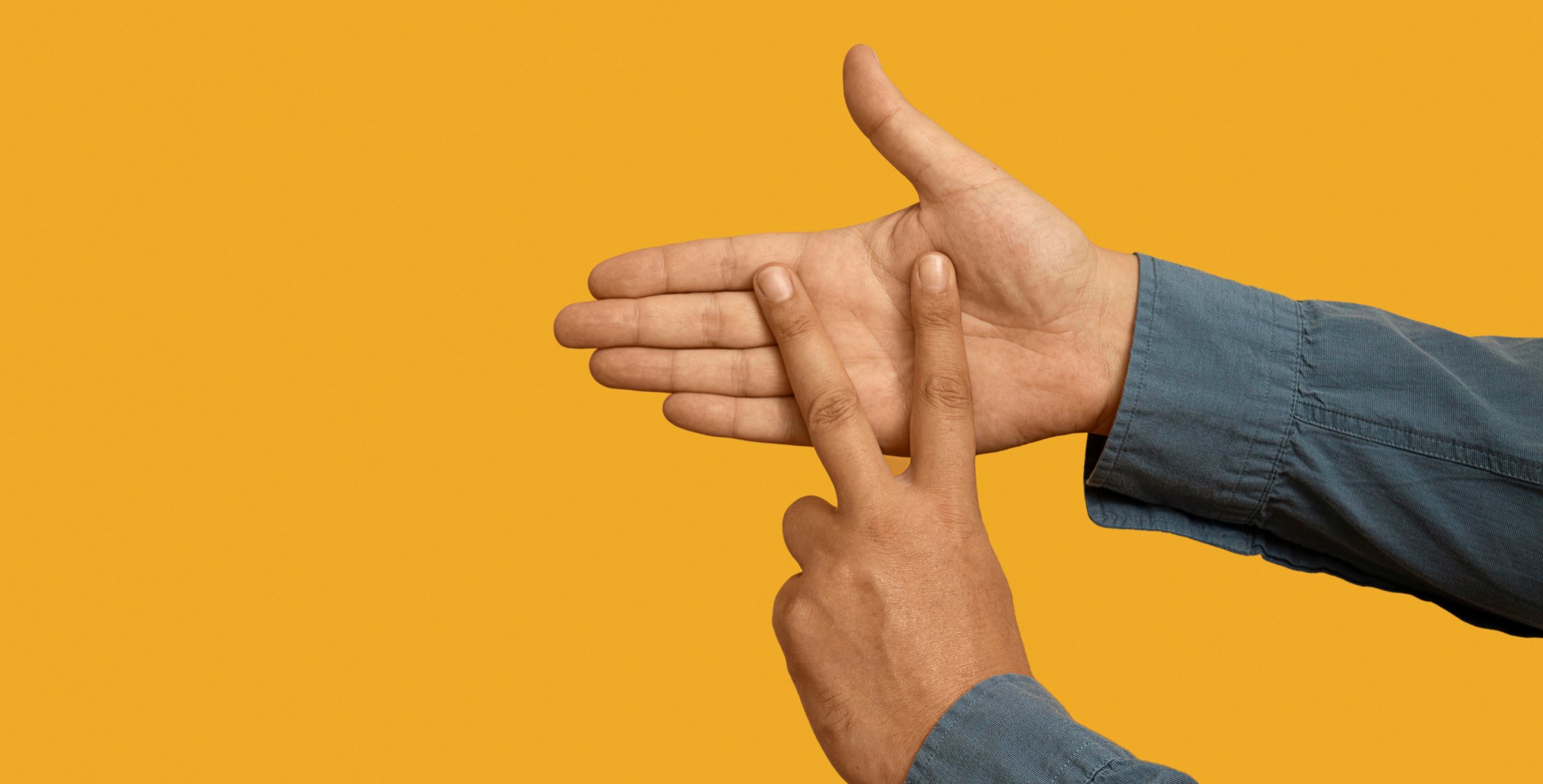
 Hand shapes (like letters or symbols)
Facial expressions (showing emotion or grammar)
Body
movements (indicating who’s speaking or actions)
Hand shapes (like letters or symbols)
Facial expressions (showing emotion or grammar)
Body
movements (indicating who’s speaking or actions)
Earlier tech struggled with this complexity. Lighting, camera
angles, or fast signing would confuse it. SignGemma uses a
revolutionary mobile-first AI architecture to process all these
elements together in real-time, like how humans "listen" with their
eyes
. "We're thrilled to announce SignGemma, our most capable model for
translating sign language into spoken text." - Google DeepMind
Think of SignGemma as a brilliant sign language interpreter living in your phone:
Sees:
Your camera captures the signer’s hands, face, and posture.
Understands: AI deciphers movements in context (e.g., the sign for
"apple" + a questioning
face = "Do you want an apple?").
Translates: Converts signs into precise spoken-language text
(starting with ASL → English).
Unlike older tools, SignGemma ignores background noise or partial gestures, focusing only on intentional communication.
Real-World Magic: Where SignGemma Could Help Emergency
Rooms:
Deaf
patients can explain symptoms without waiting for a human
interpreter.
Classrooms: Teachers understand signed answers instantly
during lessons.
Candidates signing confidently while AI translates for
interviewers
Video
Calls: Adding real-time captions for signers on Zoom or Meet.
Old
Approach : Needed perfect lighting
SignGemma’s Breakthrough : Works in real-world conditions
Old
Approach : Translated isolated signs
SignGemma’s Breakthrough : Understands full conversations
Old
Approach : Proprietary (locked down)
SignGemma’s Breakthrough : Open-source – anyone can
improve it
Privacy:
Cameras must record users. How is data protected?
Accuracy:
Will it handle medical terms or regional signing dialects?
Culture:
Some deaf communities see signing as identity, not a "problem" tech
should "fix"
The Bigger Picture Technology isn’t just about flashy gadgets. It’s about human connection.
Will they understand me?
Do I need to write everything down?
Why can’t I just communicate freely?
SignGemma won’t replace human interpreters overnight. But it promises something profound: spontaneity. The freedom to communicate anywhere, anytime, without barriers.

SignGemma isn’t perfect, but it lights a path toward a world where everyone’s voice (or hands) are heard equally.
