Unsecured Satellite Links Expose Telecom Vulnerabilities — How 13 Idea is Driving the Fix

Written by
Author

Get the oars in the water and start rowing. Execution is the single biggest factor in achievement so the faster and better your execution.
Unsecured Satellite Links Expose Telecom Vulnerabilities — How 13 Idea is Driving the Fix
Author
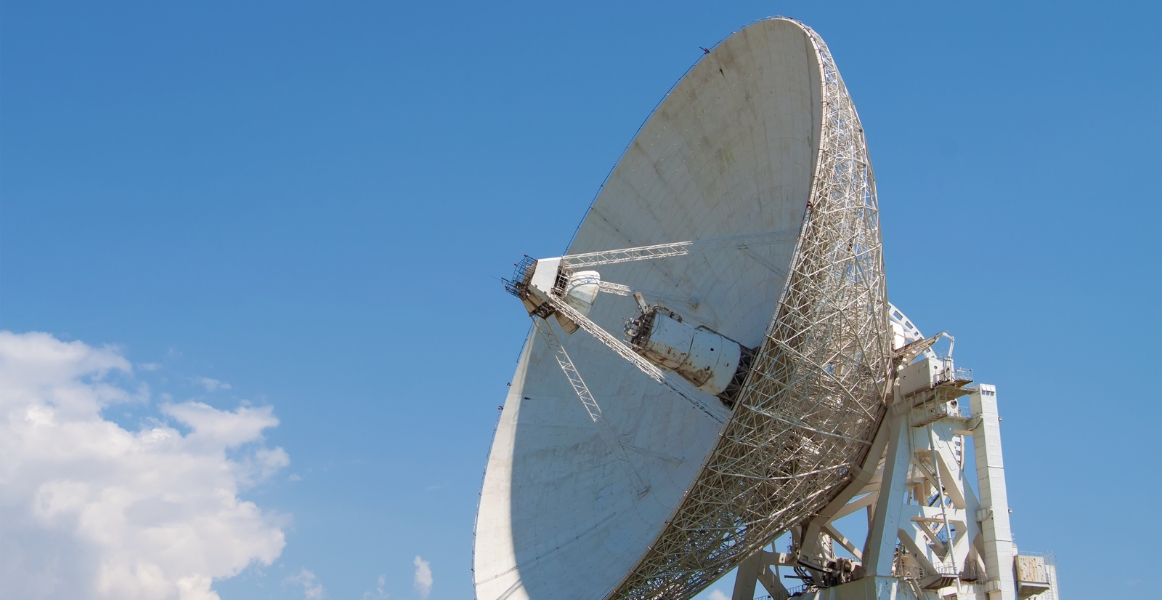
Recent cybersecurity research has revealed a major gap in telecom network protection: unencrypted satellite backhaul links used by major providers like T-Mobile and AT&T. These connections, which help extend cellular coverage into remote areas, have been transmitting sensitive data over open channels creating a potential goldmine for cyber attackers.
The researchers found that intercepting these signals is far easier than previously thought. With less than $1,000 worth of equipment and open-source software, they managed to capture real satellite data, a wake-up call for an industry that long relied on “security by obscurity.”
The core issue stems from outdated assumptions. For years, satellite operators believed interception was too expensive and complex to pose real danger. But with today’s affordable software-defined radios and advanced decoding tools, that myth no longer holds.
As 5G networks push deeper into underserved regions, the dependence on satellite backhaul has grown. Yet many of these systems still operate on legacy protocols designed for speed, not safety. The result is a communications infrastructure that’s powerful but perilously exposed.
Researchers alerted affected companies, prompting T-Mobile to acknowledge the problem and commit to encryption upgrades. However, experts warn that full implementation may take years, as retrofitting older satellites is both technically and financially challenging.
This discovery is likely to attract attention from regulators like the FCC and NIST, as unencrypted transmissions violate standard cybersecurity best practices. Without immediate reforms, these vulnerabilities could be exploited by cybercriminals or state-sponsored hackers, leading to surveillance or large-scale data breaches.
The issue also exposes a lack of accountability in the satellite sector, where major operators such as Intelsat and SES face little pressure to modernize without direct mandates. To safeguard global communications, experts are calling for end-to-end encryption, continuous monitoring, and AI-based anomaly detection.
At 13 Idea, we believe that innovation and security must evolve together. Our expertise in AI-driven infrastructure and cloud-based cybersecurity enables telecom and enterprise networks to stay ahead of these emerging threats.
We help organizations by:
 Integrating next-gen encryption protocols across terrestrial and
satellite data routes.
Deploying AI-powered threat detection to
identify breaches in real-time.Deploying AI-powered threat
detection to identify breaches in real-time.
Implementing compliance-ready frameworks
aligned with FCC, NIST, and ISO standards.
Designing intelligent monitoring dashboards
for transparency and control.
Integrating next-gen encryption protocols across terrestrial and
satellite data routes.
Deploying AI-powered threat detection to
identify breaches in real-time.Deploying AI-powered threat
detection to identify breaches in real-time.
Implementing compliance-ready frameworks
aligned with FCC, NIST, and ISO standards.
Designing intelligent monitoring dashboards
for transparency and control.
As the telecom world adapts to these revelations, 13 Idea stands ready to support a safer, more resilient future for global connectivity where speed and security coexist.