Introduction: The Rise of Digital Twins
Digital twins are simply digital replicas of real-world assets, processes, or systems. They allow organizations to create a mirror image of how things work in reality, but in a virtual environment. In 2025, this technology has become more powerful thanks to IoT, AI, and real time data processing, which make digital twins smarter and more responsive. Analysts like Gartner and IDC predict billions of dollars will be invested into smart infrastructure, proving how vital this innovation is for industries worldwide.
How IoT Sensors Feed Digital Twins
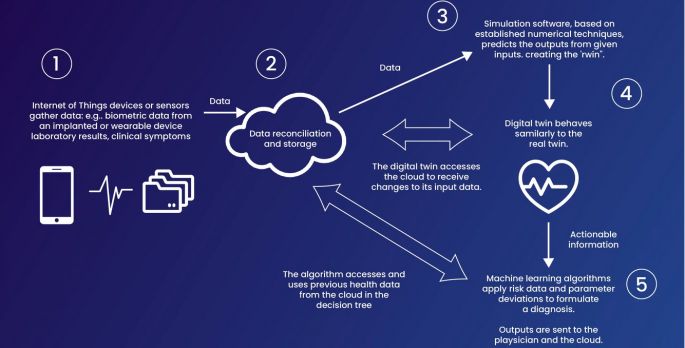
The backbone of digital twins is the Internet of Things (IoT). Sensors embedded in machines or systems collect real-time data such as temperature, pressure, vibration, motion, and usage patterns. This data flows through a pipeline starting from the device, processed by edge computing, and then integrated into cloud platforms like Microsoft Azure, AWS, or Siemens MindSphere. The result is a living model that continuously updates itself, mirroring the real-world asset.
Core Benefits of Digital Twins
One of the biggest advantages of digital twins is predictive maintenance, which helps reduce downtime and costs by detecting issues before they escalate. They also improve operational efficiency by allowing organizations to simulate processes virtually before applying changes in the real world. Companies can run what if scenarios to manage risks without disrupting live systems. Moreover, sustainability goals are supported by optimizing energy usage and reducing waste through better monitoring and control.
Case Studies: Industry Applications
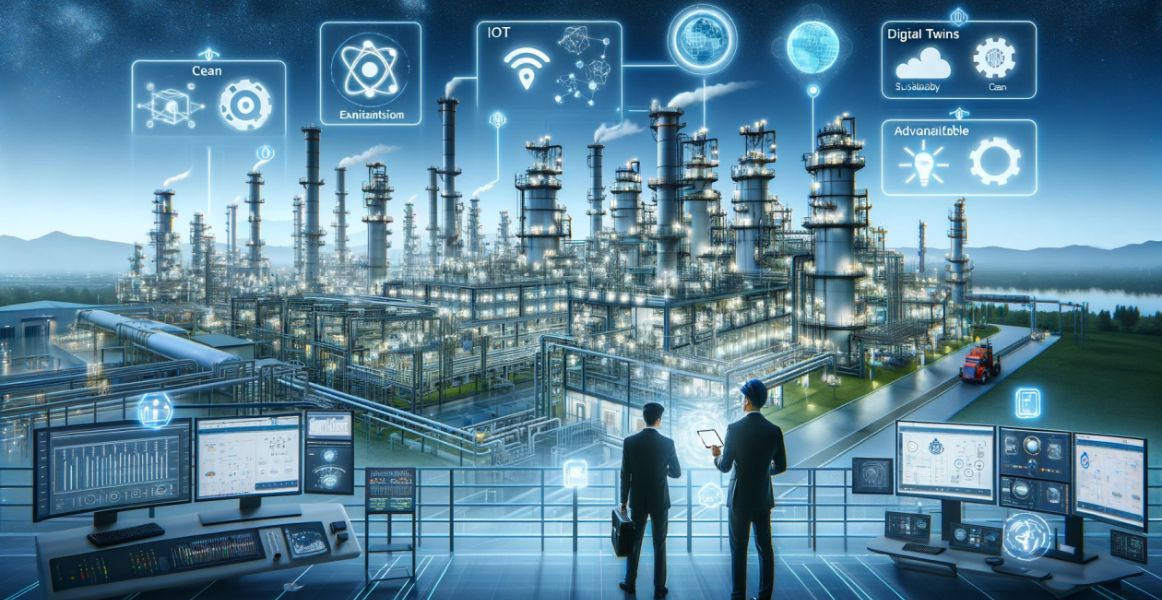
- Manufacturing: Siemens has successfully deployed digital twins in its factories to optimize machine performance and reduce defects. Predictive maintenance in this setting has cut equipment breakdowns by up to 30%.
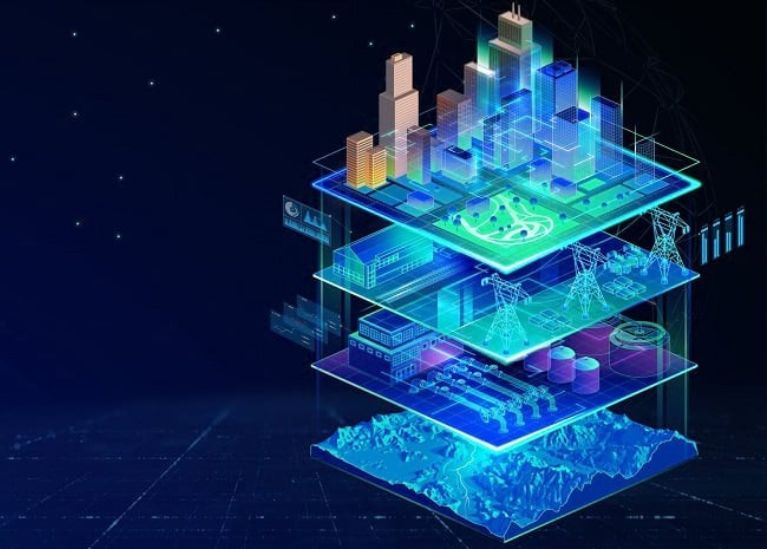
- Smart Cities: Microsoft’s Azure Digital Twins platform enables entire cities to be modeled digitally. These models support better energy management, traffic optimization, and water monitoring systems.
- Healthcare: In the medical field, digital twins are being developed to replicate human organs. These models allow researchers to test drugs and perform surgical simulations safely, without risk to patients.
Challenges & Future of Digital Twins
While digital twins offer immense potential, businesses must overcome challenges such as high implementation costs, data security concerns, legacy system integration, and the shortage of skilled experts. Looking ahead, advancements in AI will enable self-learning and self-correcting twins, while 6G and edge computing will unlock near-instant updates. With adoption rapidly expanding across manufacturing, cities, healthcare, and beyond, digital twins are poised to become a universal driver of efficiency, resilience, and innovation.
Best Practices for Businesses
To succeed with digital twins, companies should begin with small pilot projects focusing on a single machine or process. Selecting the right IoT and cloud partner—whether Siemens, Microsoft, AWS, or PTC—is crucial. Businesses should track measurable KPIs such as downtime reduction or energy savings and ensure that their systems are scalable for future expansion.
Digital twins powered by IoT are no longer just experimental tools; they have become essential for modern businesses. Early adopters are already reaping benefits in cost savings, efficiency, and long-term competitiveness. Companies that delay implementation risk falling behind in a rapidly evolving industrial landscape.