Why Digital Health is Changing Lives in the Middle East

Written by
admin

Get the oars in the water and start rowing. Execution is the single biggest factor in achievement so the faster and better your execution.
Why Digital Health is Changing Lives in the Middle East
admin
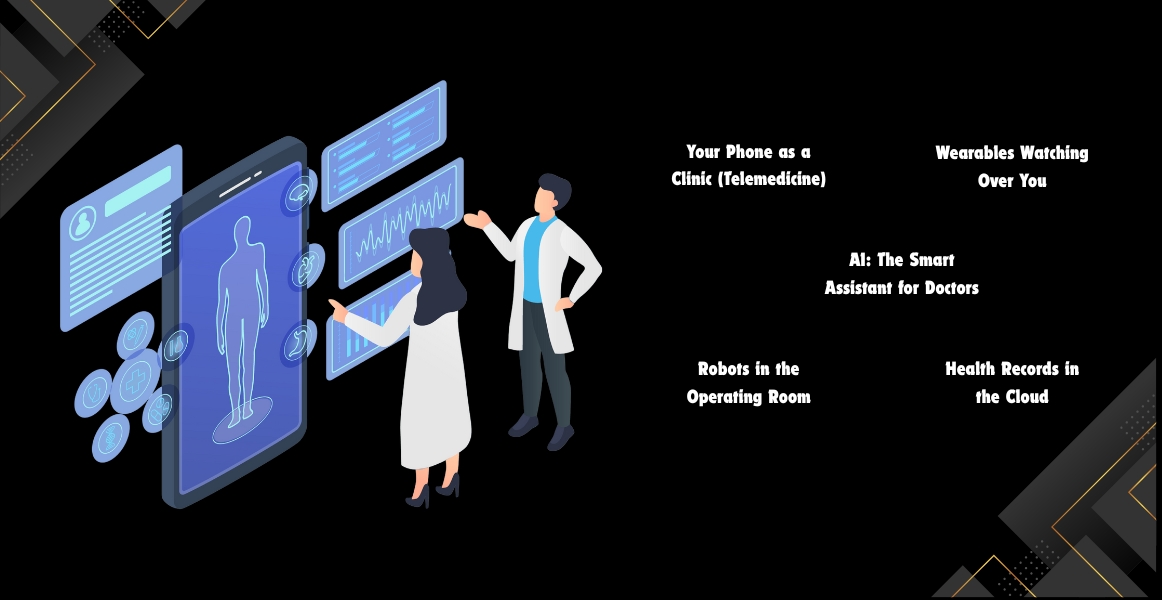
Imagine checking your blood sugar with your phone, seeing a top doctor without leaving your village, or having a robot assist in your surgery for better precision. This isn’t science fiction—it’s happening **right now** across the Middle East. From the high-tech hospitals of Dubai to remote villages in Yemen, digital tools are transforming how people access healthcare. Here’s why it matters to everyone.
 Rising Chronic Diseases: Countries like Saudi Arabia and the UAE have some of the highest rates of diabetes globally. Heart disease, obesity, and other long-term conditions are also major concerns, partly due to changing lifestyles.
Uneven Access: In wealthy Gulf nations, world-class hospitals exist. But in conflict-hit areas like Yemen, Sudan, or Syria, half the health facilities might be damaged or destroyed Finding a doctor or even basic medicine can be a struggle.
Growing & Aging Populations: More people, living longer, put massive pressure on traditional healthcare systems. We need smarter ways to deliver care.
Your Phone as a Clinic (Telemedicine):** Can’t travel to a specialist? Video calls connect patients in remote areas or refugee camps with doctors far away. Bahrain is even linked to Saudi Arabia’s "Seha Virtual Hospital" network. It saves time, money, and lives.
Wearables Watching Over You: Smartwatches and fitness trackers aren’t just for steps.
They monitor heart rates, blood sugar trends (crucial in diabetes-prone regions), and sleep patterns, sending alerts if something is wrong
AI: The Smart Assistant for Doctors:** Artificial Intelligence helps doctors **spot diseases faster and more accurately**. It can analyze X-rays for signs of cancer or tuberculosis, predict if someone is at high risk for a heart attack, or even help plan complex surgeries. The UAE and Saudi Arabia are investing heavily here.
Robots in the Operating Room: Surgical robots allow surgeons to operate with incredible precision through tiny cuts, meaning **less pain and quicker recovery** for patients. They’re increasingly common in places like Kuwait and the UAE .
Fighting Pandemics & Outbreaks:** During COVID-19 and cholera outbreaks (like in Yemen), digital tools helped track diseases, share information, and offer remote consultations when in-person visits were risky .
Health Records in the Cloud: Forget paper files getting lost! Secure digital health records mean your medical history is instantly available to any authorized doctor you visit, leading to better-coordinated care. Abu Dhabi’s "Malaffi" system is a pioneer.
Rising Chronic Diseases: Countries like Saudi Arabia and the UAE have some of the highest rates of diabetes globally. Heart disease, obesity, and other long-term conditions are also major concerns, partly due to changing lifestyles.
Uneven Access: In wealthy Gulf nations, world-class hospitals exist. But in conflict-hit areas like Yemen, Sudan, or Syria, half the health facilities might be damaged or destroyed Finding a doctor or even basic medicine can be a struggle.
Growing & Aging Populations: More people, living longer, put massive pressure on traditional healthcare systems. We need smarter ways to deliver care.
Your Phone as a Clinic (Telemedicine):** Can’t travel to a specialist? Video calls connect patients in remote areas or refugee camps with doctors far away. Bahrain is even linked to Saudi Arabia’s "Seha Virtual Hospital" network. It saves time, money, and lives.
Wearables Watching Over You: Smartwatches and fitness trackers aren’t just for steps.
They monitor heart rates, blood sugar trends (crucial in diabetes-prone regions), and sleep patterns, sending alerts if something is wrong
AI: The Smart Assistant for Doctors:** Artificial Intelligence helps doctors **spot diseases faster and more accurately**. It can analyze X-rays for signs of cancer or tuberculosis, predict if someone is at high risk for a heart attack, or even help plan complex surgeries. The UAE and Saudi Arabia are investing heavily here.
Robots in the Operating Room: Surgical robots allow surgeons to operate with incredible precision through tiny cuts, meaning **less pain and quicker recovery** for patients. They’re increasingly common in places like Kuwait and the UAE .
Fighting Pandemics & Outbreaks:** During COVID-19 and cholera outbreaks (like in Yemen), digital tools helped track diseases, share information, and offer remote consultations when in-person visits were risky .
Health Records in the Cloud: Forget paper files getting lost! Secure digital health records mean your medical history is instantly available to any authorized doctor you visit, leading to better-coordinated care. Abu Dhabi’s "Malaffi" system is a pioneer.
Countries in the Gulf aren’t just dipping their toes in – they’re diving headfirst:
Saudi Vision 2030: This mega-plan includes a **unified digital health record system** for everyone by 2025 and aims to make healthcare more accessible and tech-driven.
UAE’s AI Strategy 2030: The first country with an AI Minister! They’re using AI to fight diseases and improve care, aiming to be a global leader. Events like Abu Dhabi Global Health Week (2025) showcase their ambition in AI and personalized care.
Big Bucks: Saudi Arabia invested over $50 billion in health initiatives, including digital services, in just one year (2023). The potential economic benefit? Up to $27 billion for Saudi Arabia's health system by 2030 through wider digital adoption.
Getting digital health right isn’t easy everywhere:
The Internet Gap: In places like Yemen, only about **1 in 4 people** have internet access, and it’s often slow and expensive ($15.98 for 1GB in 2021!) . No internet means no telemedicine or health apps.
Keeping Data Safe & Private: When health info goes digital, protecting it from hackers and ensuring patient privacy is **critical**. Clear rules are still developing.
Training People: Doctors, nurses, and community health workers need training to use these new tools effectively.
Cost & Fairness: Ensuring these cool (and sometimes pricey) technologies help everyone, not just those in big cities or with lots of money, is a challenge governments are working on.

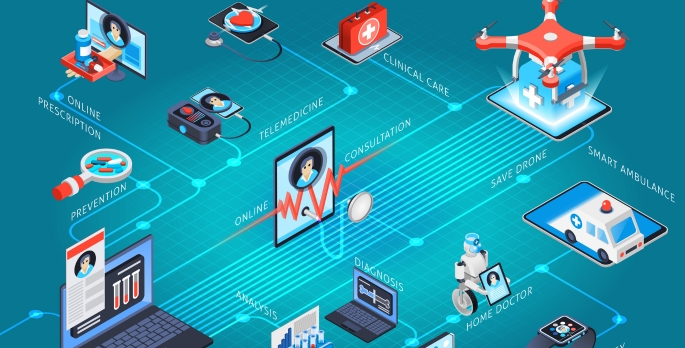
Despite the hurdles, the momentum is unstoppable. Here’s what’s exciting:
Focus on Stopping Sickness (Prevention): Tech is shifting focus from just treating illness to preventing it through better monitoring, personalized risk alerts, and wellness apps.
Care Tailored Just for You: Using your genes and health data, treatments and prevention plans can become highly personalized, making them more effective.
More Than Just Apps: Expect growth in Digital Therapeutics (DTx)– apps proven to treat conditions like diabetes or high blood pressure, almost like digital medicine.
Events Driving Change: Conferences like Arab Health 2025 (Dubai) and specialized tech camps like FHIR Camp (Portugal/Autumn 2025) connect experts to push innovation further.
Digital health in the Middle East isn't just about fancy gadgets. It's about:
Saving Lives: Reaching people who couldn’t get care before.
Making Life Better: Managing chronic diseases more easily, recovering faster from surgery.
Saving Money & Time: Making healthcare systems more efficient and reducing travel for patients.
Building Fairer Systems: Potentially offering better health access to everyone, everywhere.

The journey has begun. From the high-tech ambitions of Abu Dhabi and Riyadh to the resilient efforts bringing telemedicine to war-torn regions, the Middle East is showing how digital tools can tackle health challenges head-on. It’s a transformation that promises healthier, longer lives for millions. Keep an eye on this region – it’s becoming a surprising leader in the future of health!
