How Privacy Laws Shape Data Collection & First Party Data Strategies
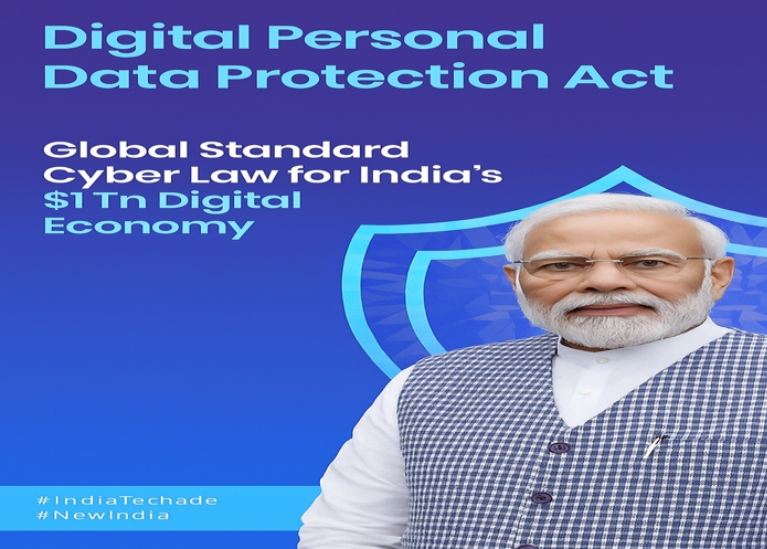
In today’s digital marketing landscape, personal data is a critical asset. Privacy regulations such as the GDPR, CCPA, and India’s DPDP Act have fundamentally reshaped how organizations collect, manage, and utilize data. These laws are more than compliance obligations they serve as strategic levers influencing data collection practices and the development of first-party data strategies.
Impact of Privacy Laws on Data Collection
A. Legal Basis for Collection
Privacy laws mandate that data collection must have a clear, lawful purpose:
- GDPR: Consent, contractual necessity, legal obligations, vital interests, public tasks, or legitimate interests.
- CCPA: Requires transparency about data collection and options for consumers to opt out of selling personalinformation
- DPDP Act: Explicit consent or legitimate purposes, such as government services, employment, or legal obligations.
This ensures organizations only collect data necessary for defined purposes, reducing regulatory risk and enhancing trust.
B. Consent Requirements
Consent is central to compliance and building consumer confidence:
- Must be freely given, specific, informed, and unambiguous.
- Withdrawal of consent should be as simple as giving it.
- Special populations, including children and disabled individuals, require verifiable guardian consent.
C. Data Minimization & Purpose Limitation
- Collect only what is necessary for the intended purpose.
- Avoid using data beyond the scope of the original purpose without explicit consent.
- This approach reduces compliance risk and strengthens customer trust.
First-Party Data Strategies in a Privacy-First World
Privacy laws encourage organizations to focus on first party data, collected directly from consumers, rather than relying on third-party sources.
A. Building Consumer Trust
- Transparent privacy notices and clear data practices increase confidence.
- Customers willingly share data, improving the quality and reliability of first party data.
B. Enhancing Personalization
- First-party data enables targeted, privacy-compliant marketing campaigns.
- Tools like preference centers, consent dashboards, and loyalty programs capture valuable insights while respecting privacy.
C. Compliance & Risk Mitigation
- Reduces dependence on third-party vendors, lowering regulatory exposure.
- Data Protection Impact Assessments (DPIAs) help ensure ongoing compliance with GDPR, CCPA, and DPDP Act requirements.
Cross-Border Considerations
Global operations must account for jurisdictional differences in privacy laws:
- GDPR: Requires adequacy decisions, Standard Contractual Clauses (SCCs), or Binding Corporate Rules (BCRs) for data transfers outside the EU.
- DPDP Act: Currently permits cross border transfers but may impose restrictions in the future.
Strategic Takeaways
- Invest in consent management tools for easy capture, tracking, and withdrawal of consent.
- Prioritize first-party data collection to reduce reliance on third-party sources.
- Implement robust data governance, including secure storage, accurate record keeping, and retention policies.
- Educate internal teams on privacy regulations and best practices.
- Leverage technology to unify privacy controls across marketing, compliance, and data management.
Privacy regulations shape how organizations collect data and how they structure first-party data strategies. By prioritizing transparency, lawful processing, and direct customer engagement, businesses can achieve regulatory compliance while gaining a competitive edge through trusted, high quality data.