Cybersecurity in web development is essential to protect applications, user data, and digital assets from evolving threats. Modern attackers exploit vulnerabilities in websites, APIs, and networks to launch sophisticated attacks like phishing, malware, and account takeovers. Developers must implement strategies such as Zero Trust, HTTPS, and Web Application Firewalls (WAFs) to safeguard their sites. Proactive threat prevention ensures both security and user trust in an increasingly connected digital world.
Zero Trust: Redefining Access Control
Traditional perimeter-based security models are no longer enough. Zero Trust works on the principle of never trust, always verify ensuring that every user, device, and application is authenticated before access is granted. Instead of assuming safety inside a network, Zero Trust continuously evaluates user behavior, device health, and contextual signals.
For developers, this means designing web applications with granular access policies, behavior based risk scoring, and stronger identity verification. The result is reduced chances of account compromise and tighter protection of sensitive data.
HTTPS: Securing the Foundation of the Web
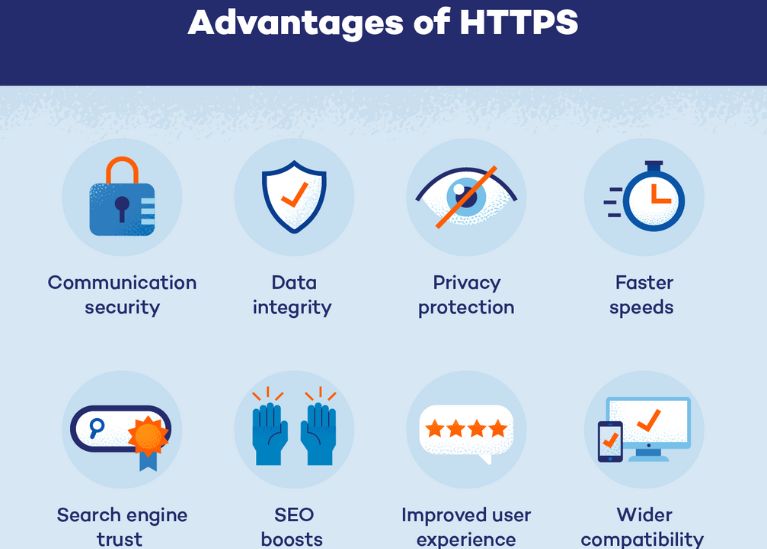
At the core of web security lies HTTPS the protocol that encrypts communication between browsers and servers. With rising cyber threats, encryption is no longer optional but a baseline requirement. HTTPS prevents man-in-the-middle attacks, safeguards login credentials, and protects sensitive data from interception.
Modern browsers already flag non-HTTPS sites as unsafe, meaning developers who fail to implement SSL/TLS certificates risk both security breaches and user trust loss. For businesses, HTTPS is now both a compliance standard and a customer expectation.
Web Application Firewalls (WAFs): Defending Against Exploits
Web applications are prime targets for attackers exploiting vulnerabilities like SQL injections, cross-site scripting (XSS), and other payloads. A Web Application Firewall (WAF) adds a protective shield, filtering malicious traffic before it reaches the application.
AI-powered WAFs now go beyond static rule sets. They detect unknown attack patterns, adapt to evolving payloads, and reduce false positives protecting applications from both traditional and AI-enhanced threats. For developers, integrating a WAF ensures scalable, real-time defense against vulnerabilities that manual patching alone cannot handle.
In today’s environment, attackers are more sophisticated than ever, leveraging automation and AI to exploit weaknesses. To secure modern web applications, developers must embrace Zero Trust architectures, enforce HTTPS everywhere, deploy adaptive WAFs, and invest in proactive threat prevention.
Cybersecurity is no longer just an IT responsibility it is a core pillar of web development, shaping user trust and long-term success.